

 Sales:
  Customer Service:
Cabinet Door Styles Explained: Shaker, Raised Panel and Slab and More

Table of Contents
Cabinet door styles define the look of your kitchen more than any other design decision. The color matters, the hardware matters, but the door profile sets the visual tone for the entire room. A shaker door reads transitional. A slab door reads modern. A raised panel reads traditional.
This guide covers every major cabinet door style, what makes each one work, and which kitchens they suit best.
Shaker Cabinet Door: The Universal Standard
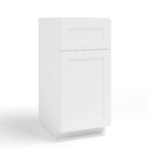
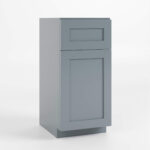
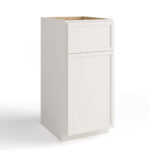
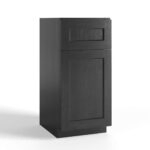
The shaker door is a five-piece construction: four frame pieces (rails and stiles) surrounding a flat recessed center panel. The edges are clean and square with no decorative routing or beveled profiles.
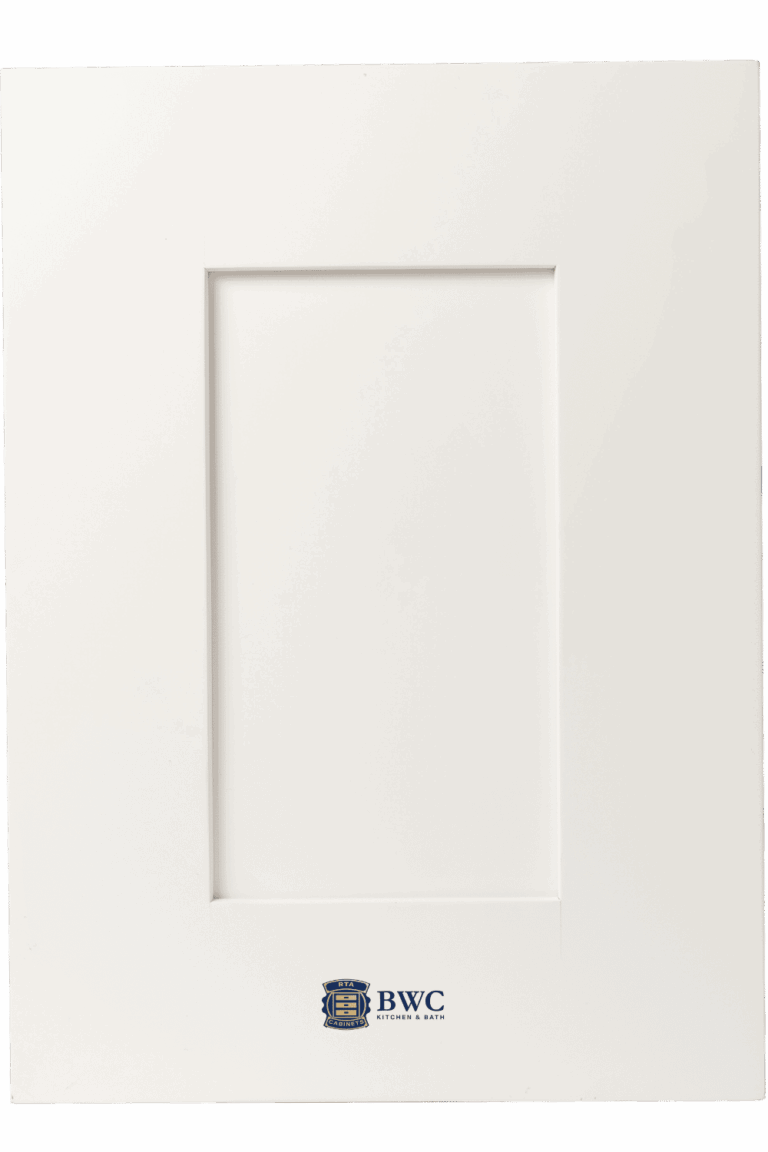
Shaker is the most popular cabinet door style because it bridges traditional and modern design. Pair shaker with cup pulls and crown molding for a classic look, or with bar pulls and no molding for contemporary. The door adapts to the context.
Every kitchen style from farmhouse to contemporary. Every budget from entry-level to premium.
Slim Shaker Cabinet Door: The Modern Variation
Slim shaker uses the same five-piece construction as standard shaker but with narrower rails and stiles. The thinner frame creates a larger center panel area, which gives the door a sleeker, more contemporary proportion.
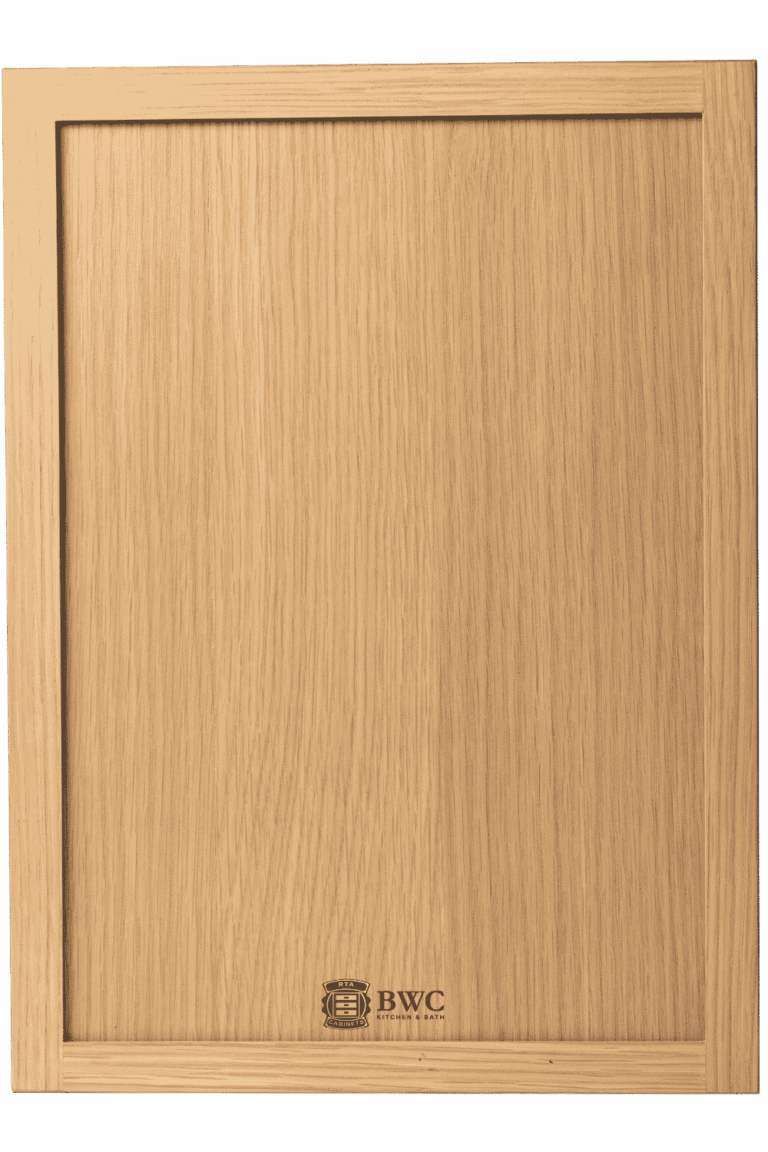
It keeps the recognizable shaker silhouette while looking more refined. Interior designers increasingly specify slim shaker profiles for kitchens that need to feel modern without going fully flat.
Modern transitional kitchens, open-concept spaces, and kitchens where you want shaker versatility with a lighter visual weight.
Double Shaker Cabinet Door: Added Dimension
Double shaker features two concentric frames around the center panel, creating a stepped, layered look. It adds visual depth and craftsmanship detail that standard shaker does not have, while staying within the clean-lined shaker family.
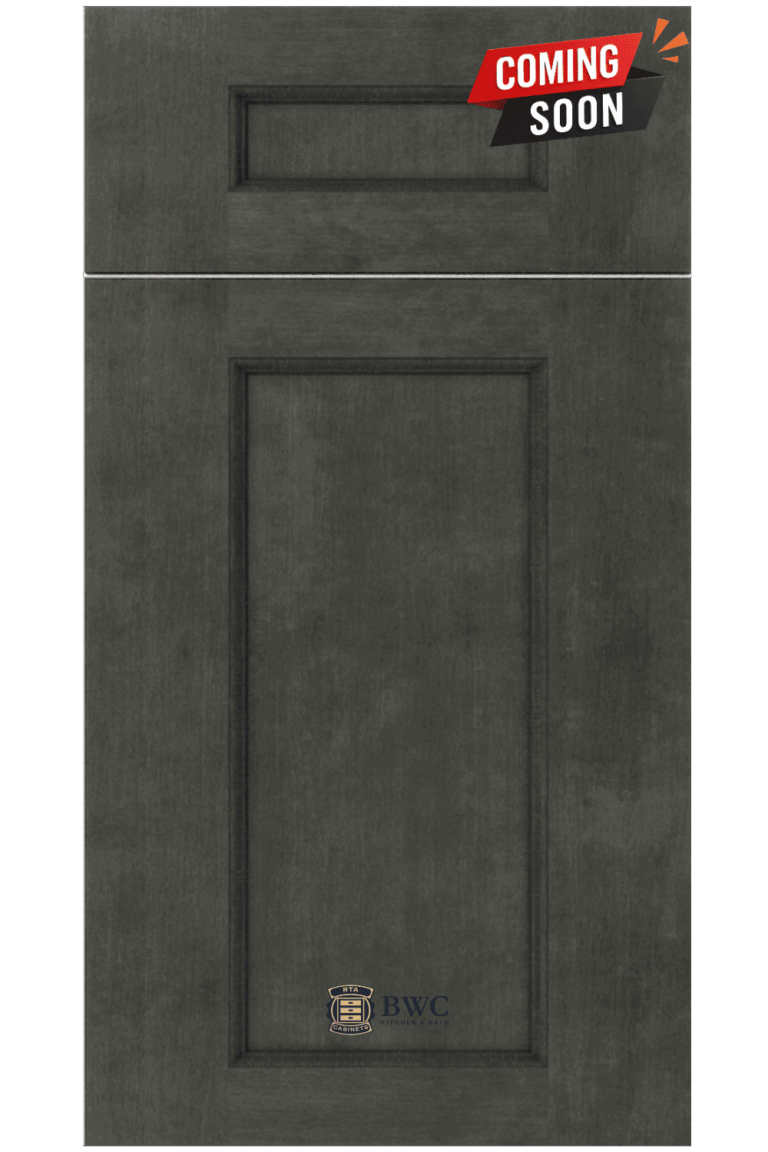
Double shaker adds visual interest without the ornate complexity of raised panel. It stands out on large door surfaces like pantry cabinets and island panels where a standard shaker can look plain.
Traditional and transitional kitchens, larger kitchens where doors benefit from more detail, and homeowners who want a step up from standard shaker without going ornate.
Raised Panel Cabinet Door: Traditional and Formal
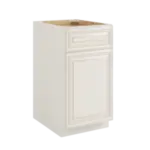
Raised panel doors have a center panel with beveled or contoured edges that "raise" above the surrounding frame. This adds shadow lines and dimensional detail that reads as formal and traditional.
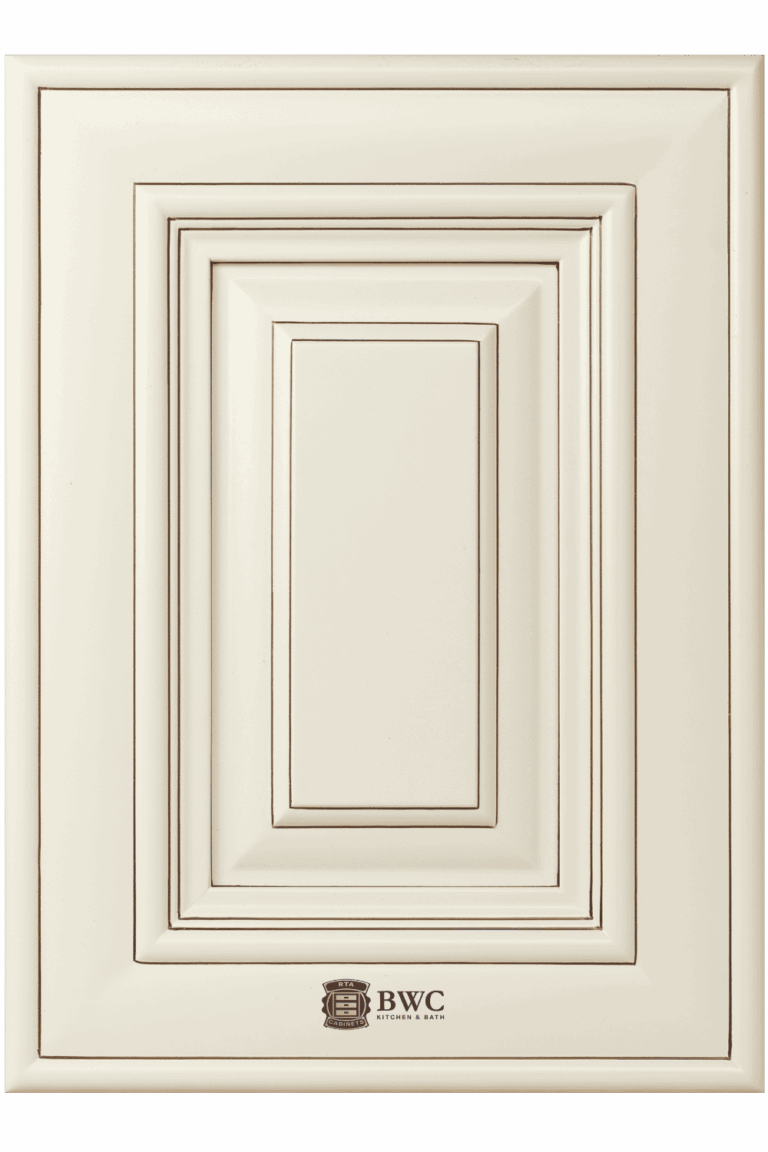
In the right kitchen, a raised panel adds richness and elegance. It suits kitchens with crown molding, decorative corbels, and traditional hardware like antique brass knobs. The extra dimension catches light differently throughout the day.
Traditional kitchens, formal dining-adjacent kitchens, and homeowners drawn to classic or colonial aesthetics. The contoured center panel catches light and creates deep shadow lines, and these cabinets provide a sense of luxury.
Raised panel is more polarizing than shaker. It trends in and out of mainstream popularity. The detailed profile also has more crevices to clean, which matters in high-use kitchens.
Slab (Flat Panel) Cabinet Door: Clean and Modern
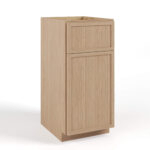
Slab doors are completely flat with no frame, no panel, and no profile. The door is one continuous surface, which creates the cleanest, most minimalist look possible

Slab doors let the material and color do all the talking. High-gloss finishes reflect light and make small kitchens feel more open. Matte finishes hide fingerprints. Wood-grain slabs bring texture without adding frame lines.
Modern kitchens, European-style kitchens, small kitchens where visual simplicity reduces clutter, and contemporary loft or condo spaces.
Glass-Front Doors: Display and Light
Glass-front cabinet doors use a frame (typically shaker or raised panel) with a glass insert replacing the center panel. They are used on wall cabinets to display dishes, glassware, or decorative items and to break up long runs of solid doors.
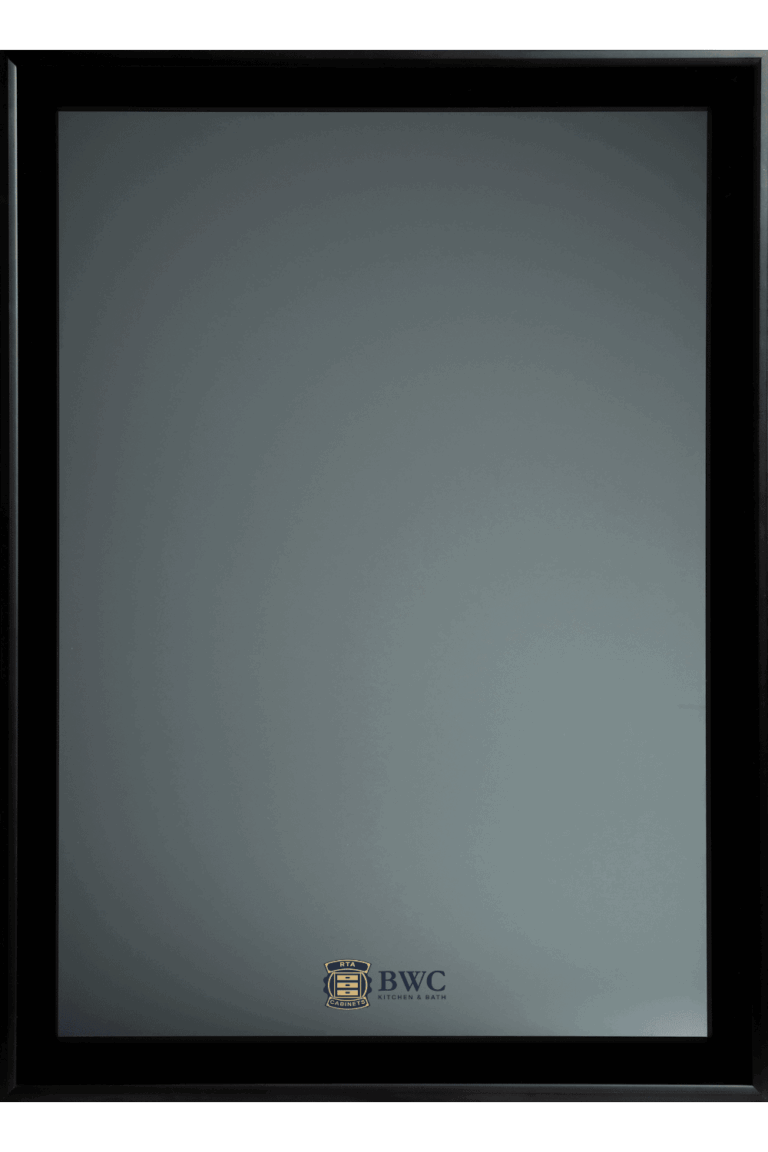
Glass doors add visual interest, create depth, and make a kitchen feel more open by reducing the wall of solid-colored surfaces. They work as accent cabinets flanking a range hood, above a coffee bar, or in a butler's pantry.
Accent use in any kitchen style. Most effective on wall cabinets at eye level where contents are visible.
How to Choose the Right Door Style for Your Kitchen
Picking a cabinet door style comes down to four things: how your home already looks, how much cleaning you want to do, how long you plan to keep the kitchen, and what the door actually feels like in your hand. Work through these one at a time and the right answer usually becomes obvious.
Match the Door Style with House Architecture
Look at your home's existing style. A craftsman bungalow suits the shaker. A mid-century modern home suits slab. A colonial suits raised panel. You do not have to match exactly, but the kitchen should not feel like it belongs in a different house.
Consider Cabinet Maintenance
Flat surfaces (slab and shaker) are easier to wipe clean than raised panel or ornate profiles. If you cook frequently and hate cleaning cabinet doors, simpler is better.
Think About Cabinet Door Longevity
Shaker has proven it does not date - it has been the dominant style for years and shows no sign of cycling out. Slab is trend-dependent. Raised panel moves in and out of mainstream popularity over time. If longevity matters more than staying on-trend, shaker is the safest investment.
Order a Sample Door
Buy Wholesale Cabinets ships sample doors for any line and color with an estimated 7-10 business day delivery. The door profile looks and feels different in your hand than it does on a screen. A sample lets you see the rail width, center panel depth, and finish quality in person.
FAQ
What is the most popular cabinet door style?
Shaker is the most popular cabinet door style by a wide margin and has held that position for over two decades. Its clean, five-piece flat-panel design works in every kitchen style from farmhouse to contemporary, which gives it broad market appeal and consistent resale value.
What is the difference between shaker and raised panel cabinet doors?
Shaker doors have a flat center panel surrounded by a square-edged frame. Raised panel doors have a center panel with beveled or contoured edges that project above the frame. Shaker reads as transitional and versatile; raised panel reads as traditional and formal.
Are slab cabinet doors more expensive than shaker doors?
Not necessarily. Price depends more on construction materials and the cabinet line than the door style. BWC’s Frameless Collection (slab doors) uses 3/4″ plywood boxes, which is a premium build. The Standard Line (shaker) uses 1/2″ plywood at a lower price point. Compare the full spec, not just the door profile.
Can I mix cabinet door styles in one kitchen?
Yes, and it can look intentional when done thoughtfully. A common approach is to use shaker for perimeter cabinets and slab or glass-front for island cabinets. Buy Wholesale Cabinets allows mixing lines in a single order, so you can combine Standard Shaker with Frameless slab doors in one purchase.