An apron front sink, often called a farmhouse sink, is defined by its exposed front face. Rather than disappearing into
Read More →
Overview A blind corner cabinet is a base cabinet that fills the inside corner where two runs of cabinets meet
Read More →
Technically, a backsplash is there to save your drywall from water damage, grease, and spaghetti sauce splatters. It fills that
Read More →
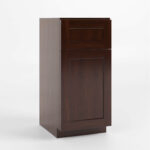
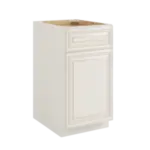
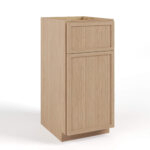
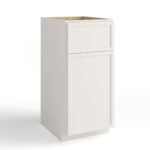
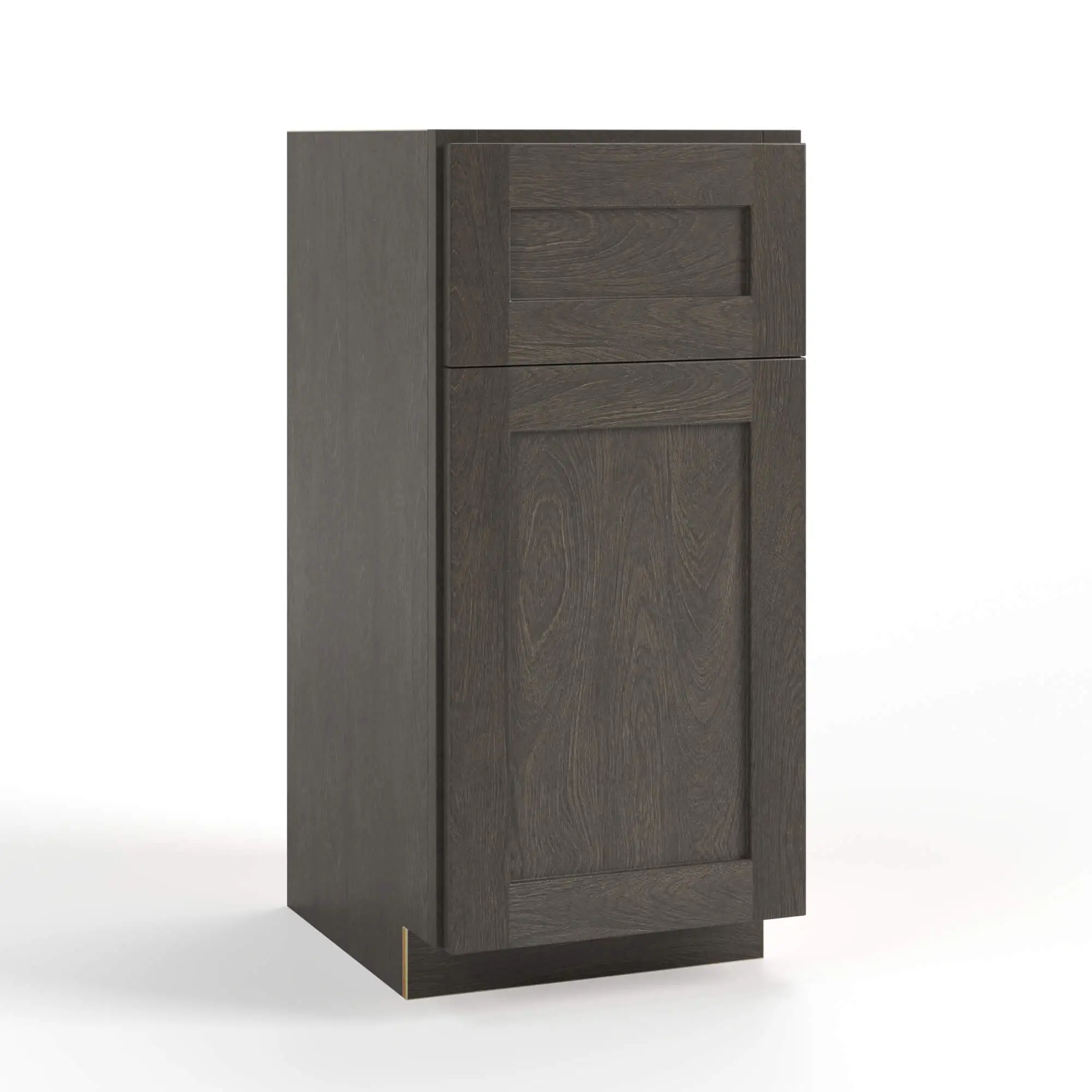
Base cabinets sit on the floor and support your countertop. Standard height, depth, widths from 9 to 48 inches, and every configuration explained.
Read More →
Learn what a butt hinge is, how it works, how it compares to concealed hinges, and why modern RTA cabinets typically use European-style hinges.
Read More →
Overview The carcass, also called the cabinet box, is the structural shell, two sides, a top or stretchers, a bottom,
Read More →
Learn what a cam lock is, how it works in RTA cabinet assembly, how to install it, and why it creates strong, reliable cabinet joints.
Read More →
Learn what color variation means in wood kitchen cabinets, why it happens, how to minimize it, and why it is a natural characteristic not a defect.
Read More →
Composite wood is a broad label for any wood-based material made by combining wood fibers, particles, or strands with adhesives
Read More →
A concealed hinge – also called a European hinge, cup hinge, or 35mm hinge – is a cabinet hinge that mounts inside the cabinet and is completely hidden from view when the door is closed.
Read More →
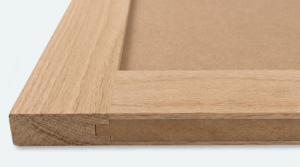
In cabinetry, cope and stick is the dominant joinery method for shaker and recessed panel doors.
Read More →
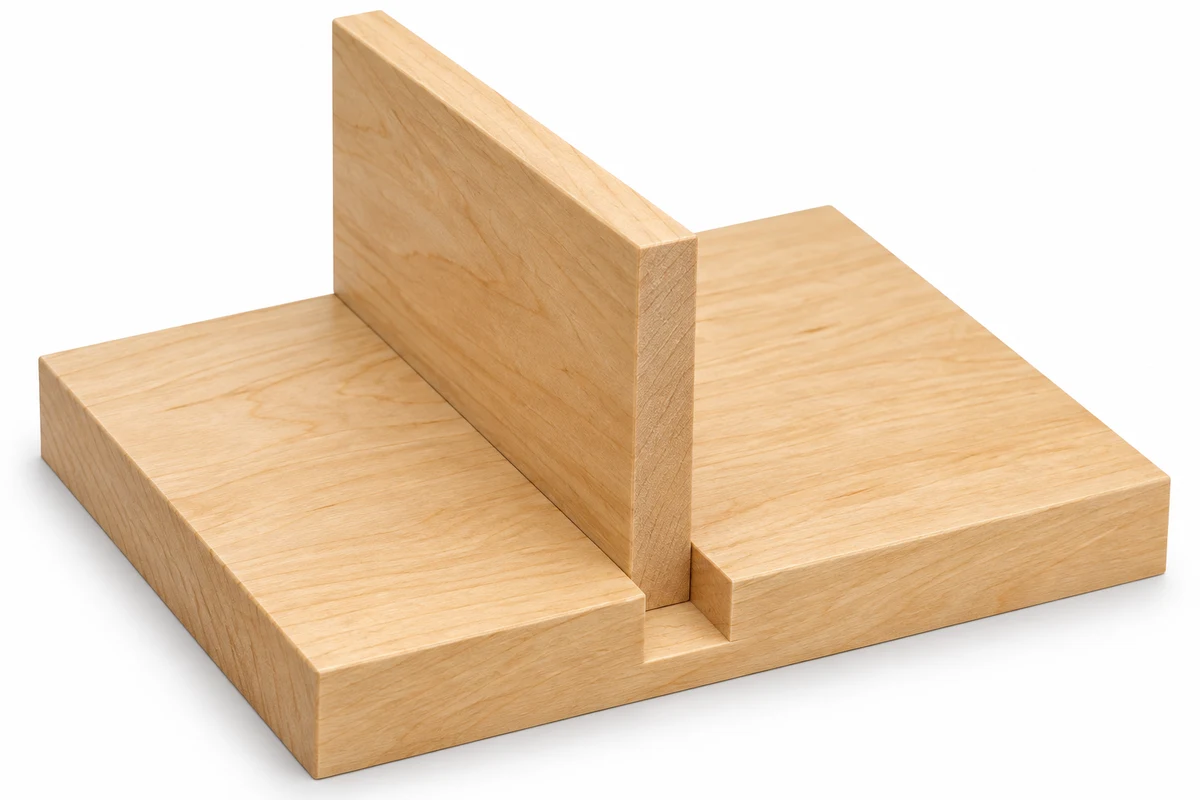
Overview A dado joint is a square channel cut across the grain of one board so another board can sit
Read More →
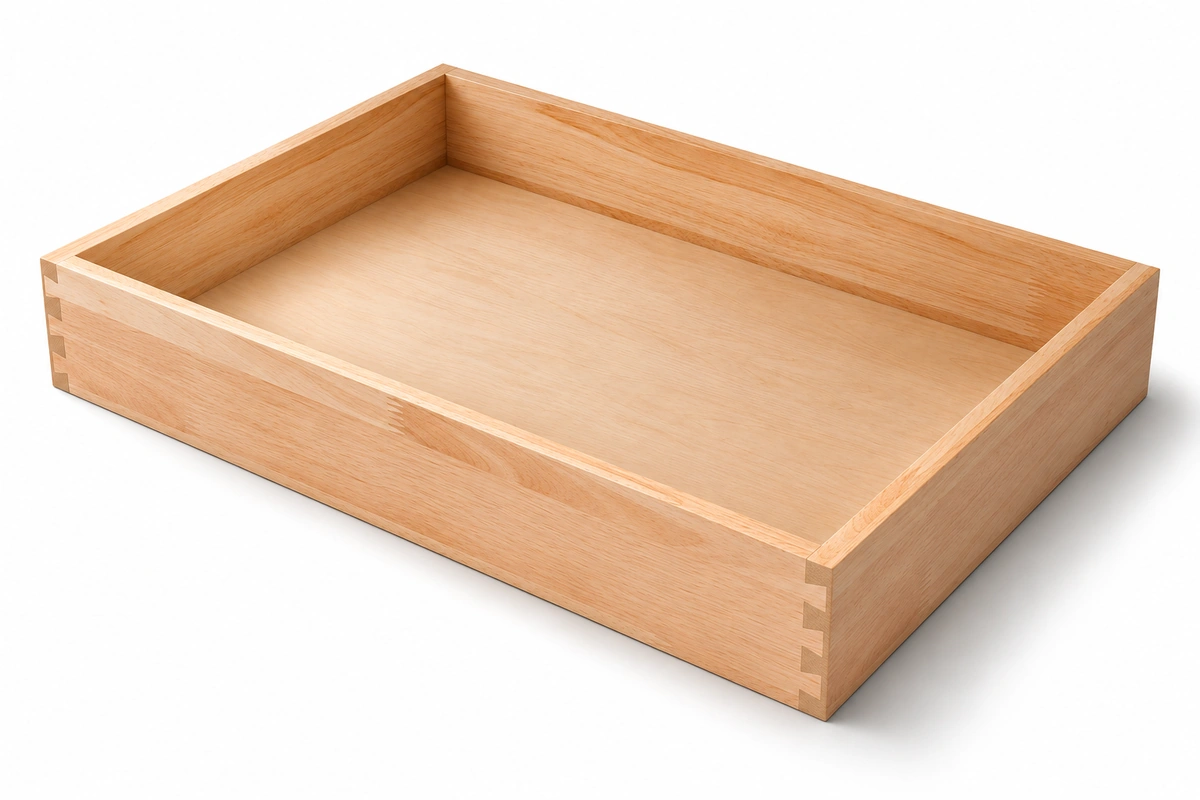
Learn what a dovetail joint is, why dovetail drawers are stronger than stapled drawers, and how to identify quality cabinet drawer construction.
Read More →
Overview A drawer box is the five-sided container, two sides, a front, a back, and a bottom, that holds the
Read More →
Engineered wood is a category of wood products made by combining wood fibers, particles, veneers, or strands with adhesives and
Read More →
Fiberboard is a type of engineered wood. To make it, manufacturers take wood fibers basically wood pulp mix them with
Read More →
Full overlay is a cabinet door style where the door fully covers the face frame of the cabinet box, leaving only a small reveal (typically about 1/8″ to 1/4″) between adjacent doors.
Read More →
Inset doors and drawers sit flush inside the cabinet’s face frame, rather than overlapping it. When closed, the door is
Read More →
Think of a kitchen peninsula as an island that is connected to the mainland. It is a run of cabinets
Read More →
Lacquer is a fast-drying clear or pigmented finish made by dissolving resins in a solvent.
Read More →
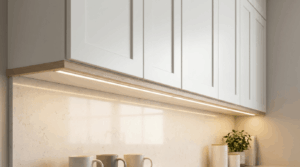
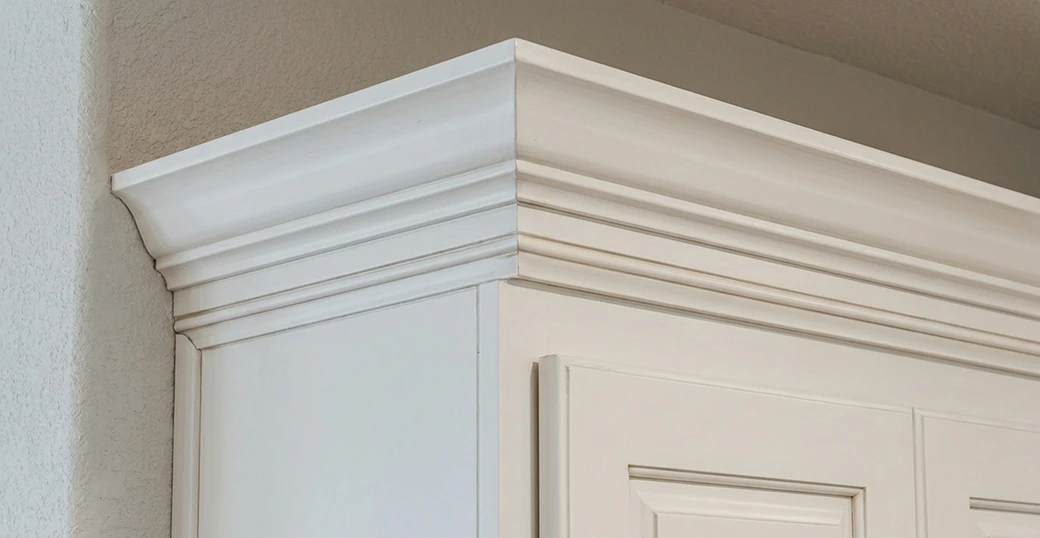
Light rail molding is a strip of trim installed along the bottom edge of wall cabinets, creating a small overhang that hides under-cabinet lighting from direct view.
Read More →
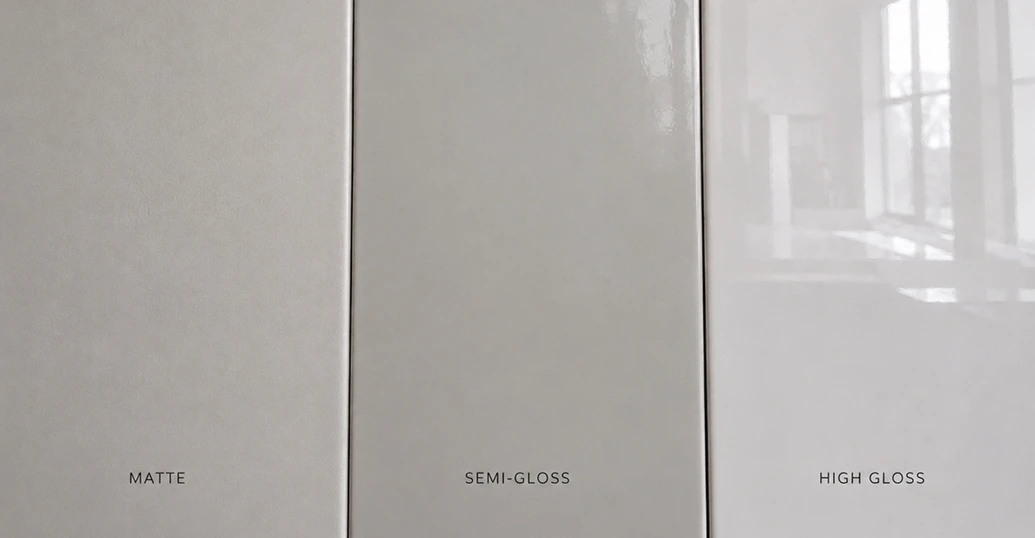
A matte finish is a cabinet finish with a low sheen - close to no shine at all.
Read More →
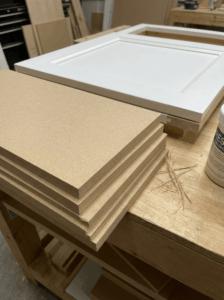
MDF stands for Medium Density Fiberboard. It is a manufactured wood product made by breaking down hardwood and softwood residuals
Read More →
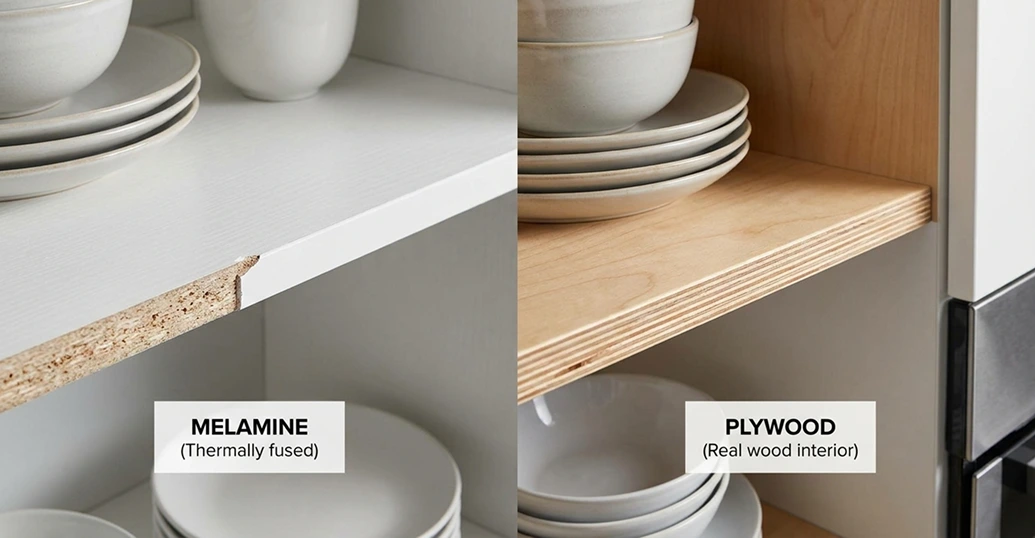
Melamine is a type of finish made by fusing decorative paper, saturated with melamine resin, onto a particleboard or MDF substrate under high heat and pressure.
Read More →
Millwork is a broad term for any wood product that has been milled - shaped, cut, profiled, or finished - in a mill or shop...
Read More →
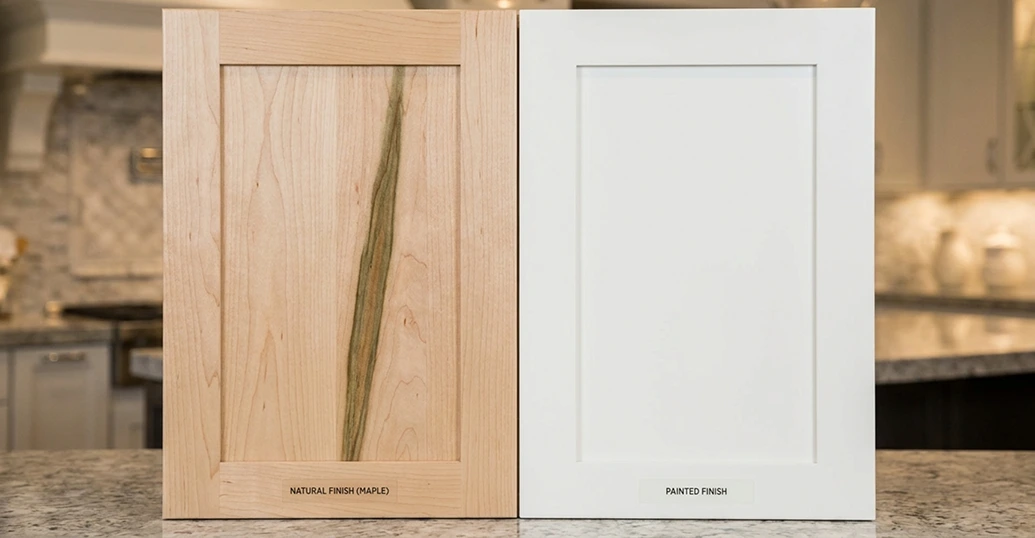
A mineral streak is a dark, often greenish-gray or brownish line that appears in some hardwood lumber, especially maple.
Read More →
Learn how modular sizing, fillers, and RTA cabinets work.
Read More →
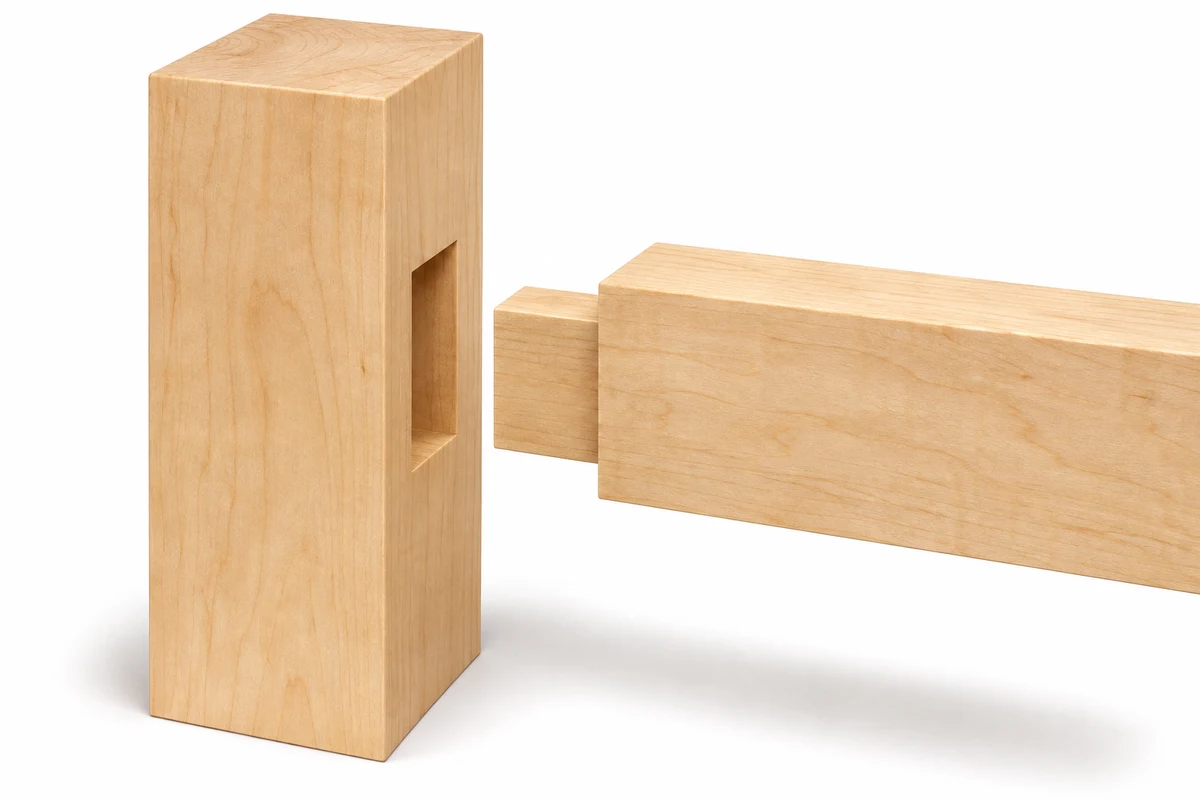
Overview A mortise and tenon joint fits a projecting tongue of wood, the tenon, into a matching cavity, the mortise,
Read More →
What is mullion? In plain English, a mullion is the bar that divides a window, door, or glass cabinet into
Read More →
Plywood is an engineered wood panel made by gluing thin layers of wood veneer together with the grain of each layer running perpendicular to the next.
Read More →
Poplar is the most affordable hardwood for cabinets. Soft, easy to paint, and stainable to mimic cherry or mahogany with the right prep. Here is how.
Read More →
Think of pressboard as the “cardboard’s tougher cousin.” It is an engineered material often found in budget-friendly or ready-to-assemble (RTA)
Read More →
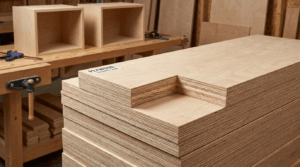
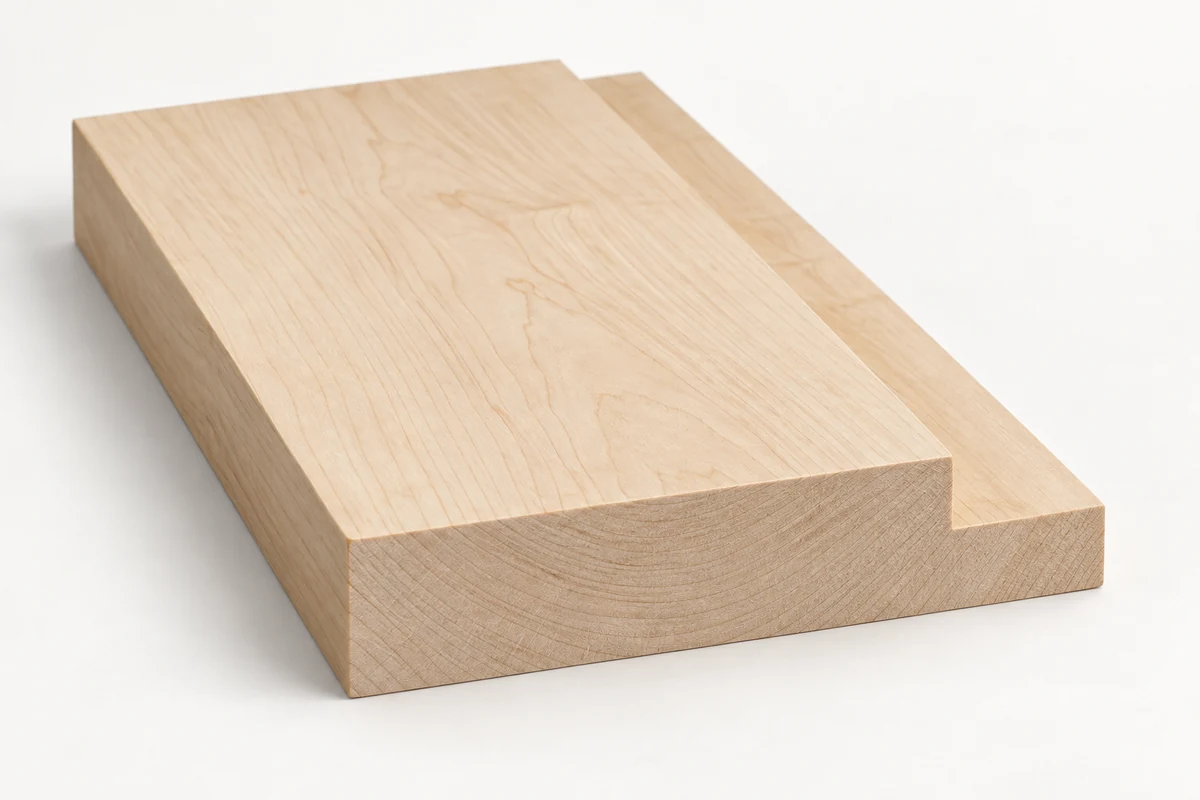
A rabbet is a step-shaped recess cut along the edge of a board, open on one face and one edge, so another panel can drop into the notch.
Read More →
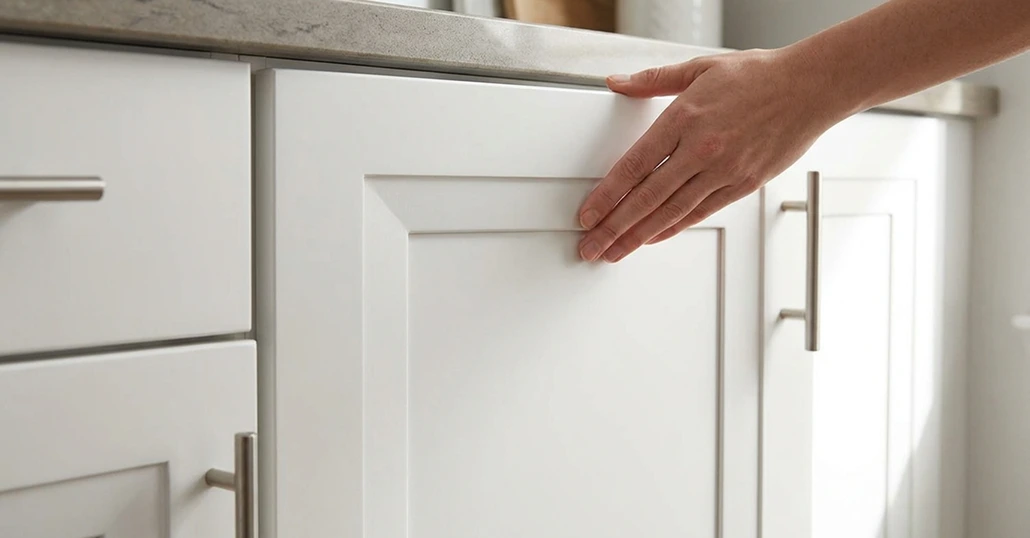
A recessed panel door is a cabinet door where the center panel sits below the surface of the surrounding frame.
Read More →
Scribe molding is a thin trim strip that covers gaps between cabinets and uneven walls. Learn standard sizes, when you need it, and how to install it.
Read More →
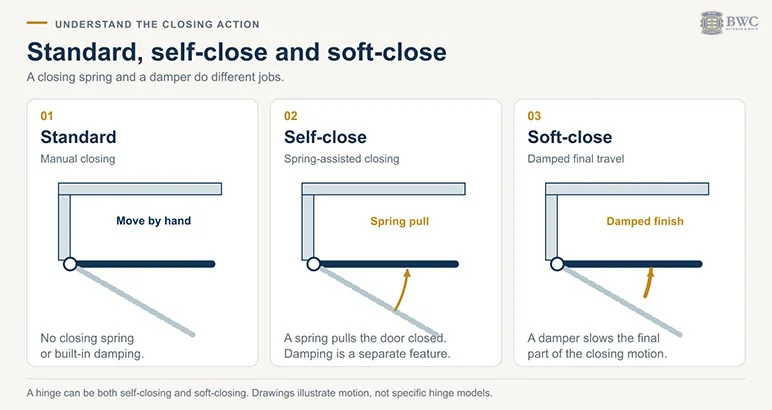
Soft close is a cushioning action built into cabinet hardware. A small damper catches the door or drawer in the last few inches of travel and eases it shut quietly, so it settles instead of slamming.
Read More →
Solid wood means lumber milled directly from a tree, not pressed, glued, or composed of fibers. A solid wood door
Read More →
A stile is the vertical frame piece on a shaker cabinet door. It holds the hinges and keeps the door flat. See standard widths, materials, and joinery.
Read More →
Thermofoil is a thin vinyl film that is heat-pressed and vacuum-formed over an MDF substrate to create a smooth, seamless cabinet door.
Read More →
A toe kick is the recessed strip under base cabinets that gives your feet room at the counter. Standard sizes, why it's required, how to order.
Read More →
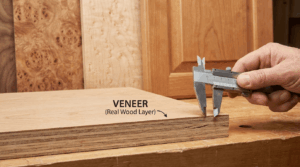
A veneer is a thin layer of real wood – typically 1/40″ to 1/16″ thick – sliced from a log
Read More →
Overview A wall cabinet is an upper cabinet mounted on the wall above the countertop, used for everyday-reach storage of
Read More →



 Sales:
 Customer Service: