






 Sales:
  Customer Service:
How to Remodel Your Kitchen: Step-by-Step Guide


Table of Contents
A kitchen remodel must be done thoughtfully; firstly, it will impact your comfort and functionality in the kitchen. Secondly, you can’t do it that often! So, if something goes wrong, you will be left with regrets and discomfort that you will face on a daily basis. Kitchen remodeling involves considering several key aspects, including cabinets, countertops, flooring, lighting, and appliances.
If you’ve been scrolling through ideas and wondering how to remodel your kitchen without blowing the budget or losing control of the process, you have arrived at the right place. In this blog, you will learn about how to focus on the structure and various finer aspects and make sensible decisions along the way to ensure your kitchen turns out the way you want it to.
Why Remodel Your Kitchen?
Before you start browsing online for cabinets, styles, and shades, take a moment to reflect on why you are undertaking the remodeling in the first place. A clear reason keeps the project grounded when you’re choosing between options. It also guides how far you really need to go with layout, materials, and budget.
Improve Functionality & Workflow
You may be facing a shortage of prep space, or someone has to move every time the fridge opens. A remodel can help you fix these daily problems and make the space better to work in. When planning to remodel the kitchen workflow, think in terms of zones: where you prep, cook, clean, and store. Arrange cabinets and appliances to support this workflow.
Boost Home Value
Kitchen decor and functionality have a significant impact on a home’s overall value. Even if you’re not selling soon, buyers and appraisers almost always focus on this room. Updating worn cabinets, dated finishes, and poor lighting suggests that the home has been well-maintained. Go for solid wood boxes, soft-close hardware, and a clean layout that showcases quality, which in turn will protect long-term value.
Enhance Style & Comfort
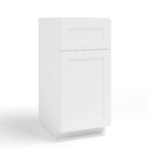
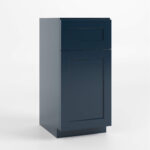
Apart from functionality and the resale value, style and comfort also matter. The finishes you choose set the vibe of the space. You can opt for a bright white shaker for a crisp feel, navy or charcoal for drama, or slim oak for warmth. Good lighting, comfortable seating, and clutter-free storage can make the kitchen feel like a place to enjoy, not just a room you pass through.
How to Remodel a Kitchen: 13 Essential Steps You Can’t Miss
Once you’re clear on your reasons, the next question is how to remodel a kitchen without it turning into a guessing game. Here are thirteen key steps to keep you from jumping ahead or missing something important. Following these steps can help you remodel your kitchen just the way you envisioned it.
Step 1 – Plan Your Remodel
The process of remodeling your kitchen must start with a solid plan. Before you start demolishing the existing cabinets, assess what’s hurting you the most. Think of what is non-negotiable in the kitchen and what are nice-to-haves. Also, consider what frustrates you the most in your current kitchen. Are your cabinets crammed, do you have insufficient drawers, or is there not enough space to operate your appliances? Give a thought to every little thing and pen down these points in a diary.
Step 2 – Set a Budget
Next, you must break your budget down into what exactly you will be spending on and how much you will spend. It will typically include cabinets, countertops, appliances, flooring, lighting, and labor. Also, factor in a spare amount for unexpected expenditures that you may miss while budgeting. In most remodels, cabinets typically account for the largest share of the budget. Choosing ready-to-assemble cabinets helps reduce project costs while still providing durable construction, similar to solid wood boxes, and soft-close hardware, without overspending.
Step 3 – Choose Your Kitchen Layout
Layout is the backbone of the whole project. So, give it serious thought and consider the various aspects, such as whether you would like to have an island, change the existing layout of your kitchen, or have an extra entry to the space. Imagine yourself walking into the kitchen. Consider where you would like your fridge and other appliances to be placed, where you would prefer to wash your vegetables and fruits, and where the pantry unit would be most convenient.
Step 4 – Start Demolition
Once plans and measurements are set, you can begin with the demolition. It typically involves removing old cabinets, countertops, and some or all of the flooring, as well as soffits or short walls. Additionally, protect nearby spaces from dust and cover vents before commencing the demolition process. At the same time, establish a small make-shift kitchen with a table, microwave, and other necessary things. Doing so will help you navigate this makeshift process seamlessly without hindering your everyday meals.
Step 5 – Complete Rough-In Work (Plumbing, Electrical, HVAC)
Once the room is opened up, plumbers and electricians can do their work. This is when water lines, drains, and electrical circuits will be moved or added to match your new layout.
This is also when hood venting and HVAC changes are handled. Everything must be safe and approved before the walls close again. It’s not the most exciting part of remodeling kitchen projects, but it matters a lot for comfort, safety, and ensuring the kitchen works well for years.
Step 6 – Hang and Paint Your Drywall
Once the inspections are passed, new drywall will be installed. This is when seams will be taped, screw holes will be filled, and everything will be sanded to a smooth finish.
Many homeowners choose to prime and apply the first coat of paint during this stage, while the room is still empty. A light, neutral wall color can help make the space feel roomy. Furthermore, it works with a wide range of cabinet finishes, allowing you to finalize the exact colors later without repainting the entire room.
Step 7 – Install or Upgrade Lighting Fixtures
Lighting plays a significant role in determining the appearance of a space. Here’s a simple solution to ensure you get it done right. Aim for three layers of lighting: general ceiling lighting to brighten the entire room, task lighting over counters and the sink, and accent lighting, such as pendants over an island. Remember that a good lighting plan supports cooking, cleaning, and gathering without leaving anyone working in the dark.
Step 8 – Lay Down Your New Flooring
Flooring is typically installed before the cabinets, ensuring everything is at the correct height and lines up properly. Most people use tile, hardwood, or vinyl.
When considering flooring, opt for something durable that can withstand spills, scratches, kids running through, and even a dropped pan by accident. Furthermore, prioritize functionality over looks. Once the flooring is done, you will feel much more relaxed, despite still having many more aspects to handle to complete the kitchen remodel.
Step 9 – Select Cabinets & Materials
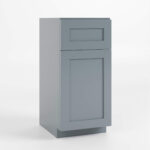
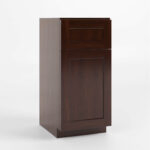
This is the stage where your cabinet selections transition from drawings and measurements to a real, visible part of your kitchen space. Style and storage come together here, and every decision will impact how the kitchen functions on a daily basis. Think about where drawers make more sense than doors, where a tall pantry fits best, and which add-ons you’ll truly use. Buy Wholesale Cabinets can assist you with RTA options, including solid wood box construction, dovetail drawers, and soft-close hardware in finishes such as white Shaker, gray, navy, or espresso.
Step 10 – Install Your Kitchen Cabinets
Cabinet installation is where all that planning and measuring finally pays off. Start with the wall cabinets, so you’re not leaning over the base units. Use a level, add a temporary ledger board for support, and always screw into the studs, not just drywall.
Even a slight tilt at the beginning can create big alignment problems by the end, so check every piece as you move along. When everything is aligned and installed correctly and securely, countertops fit properly, and doors and drawers open as they should.
Step 11 – Pick and Secure Countertops & Backsplash
Once the cabinets are installed and everything is in place, the next step is to install the countertops. A fabricator typically visits the site to double-check measurements in person. Nothing is guessed here because a tiny mistake can ruin a slab.
Your choice regarding the slab depends on how you cook and what kind of maintenance you’re willing to do. Once all of this is sorted, the next step is to install the backsplash to complete the look.
Step 12 – Hook Up Appliances & Plumbing Fixtures
At this point, your kitchen will start feeling usable again. The sink, faucet, dishwasher, range, hood, and refrigerator will be installed and connected. Water lines will be checked for leaks, appliances will be tested, and any final electrical work will be completed.
Once everything is done, walk through the space as you would on a normal day: cook, clean, and make coffee. Note anything that feels awkward while adjustments are still easy to make.
Step 13 – Finishing Touches
The last stage is all about the little details that will complete your project. This is when handles and pulls are finally installed, filler strips close small gaps, and trim, like toe kicks or crown molding, is added.
Next, rough paint spots will be cleaned, and seams will be caulked. Inside the cabinets, roll-outs and organizers will be installed to prevent things from becoming messy again. After a good clean, the space will finally be ready and not just remain a project.
Conclusion
A full kitchen remodel involves addressing several key aspects, including planning, budgeting, purchasing, assembling, and more. But this entire process doesn’t have to feel overwhelming. So, how do you remodel your kitchen stress-free?
You need to break the entire process down into manageable steps and follow them one step at a time. This will help you navigate through the process without feeling overwhelmed or juggling too many tasks at once.
Buy Wholesale Cabinets offers RTA cabinets that feature solid wood construction, soft-close hinges, and dovetail drawers at a lower cost than fully custom cabinets. They are available in various sizes, colors, and styles, and are easy to assemble, which helps keep the project moving without long delays.
With the right plan and materials, you can confidently navigate the remodel and enjoy a kitchen that works well for everyday life.
Frequently Asked Questions (FAQs)
How long does a full kitchen remodel usually take?
There’s no single timeline. A basic update with new cabinets and counters can be wrapped up fairly quickly once the materials arrive. On the other hand, a full remodel with layout changes and rough-in work takes longer.
What is the average cost of a kitchen remodel?
There isn’t a set price. The actual price depends on the size of the space and the extent of the changes you intend to make. Cabinets, counters, and appliances typically account for the majority of the cost. Small decisions, such as choosing RTA cabinets, can make a significant difference in staying on budget.
Where should I start when remodeling my kitchen?
Begin by measuring the space and listing what bothers you about the current layout. Once you know the problems you’re solving, set a budget and choose cabinets and finishes that fit your needs, budget, and even your style preferences.
Should I hire a professional or DIY my kitchen remodel?
It actually depends on your skills. Most people tend to opt for both. For instance, you can handle demolition, painting, and assembling RTA cabinets yourself. But electrical, plumbing, gas, and structural work should be done by licensed professionals.
How can I make my small kitchen look bigger?
You can make your small kitchen look bigger by using proper lighting and getting clutter under control. Additionally, lighter cabinet colors help the room appear more spacious. You can choose taller wall cabinets to draw the eye upward and keep the counters clear, making a tight kitchen appear larger.